
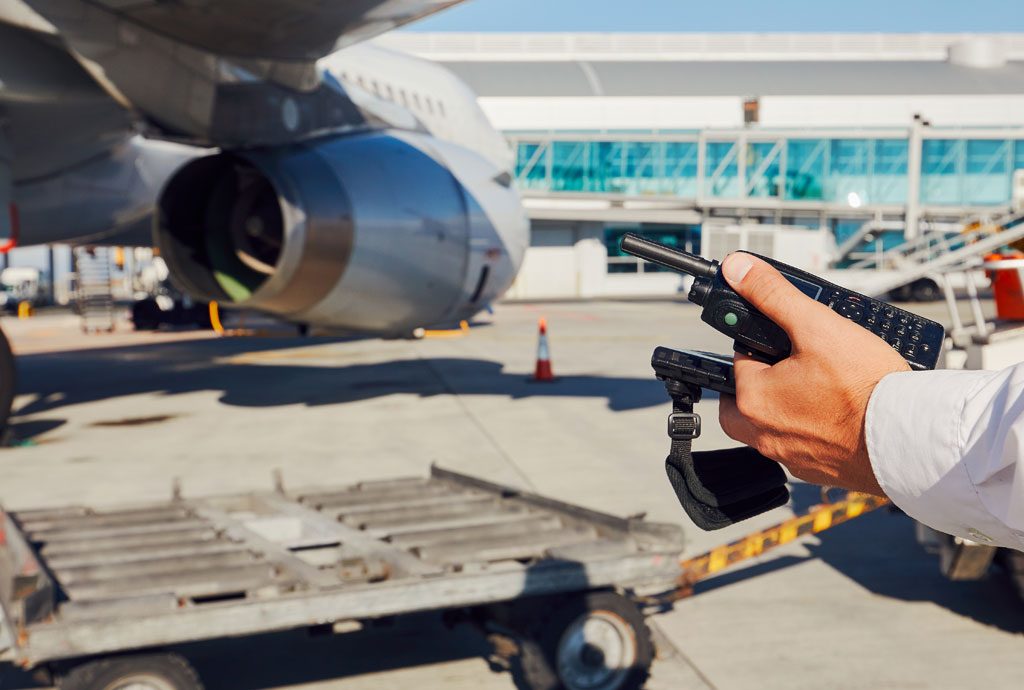
3 Strategies to Address Aviation´s Ground Handling Labor Shortage
Across the industry and around the world, ground handling service providers are faced with several challenges. It’s not just about the operations, with teams out on the apron working in a complex environment, under time pressure to get aircraft departing on time. The sector continues to struggle with the loss of qualified manpower. What can be done to address this problem especially amid the summer season? Read in our blog post strategies to address aviation´s ground handling labor shortages.
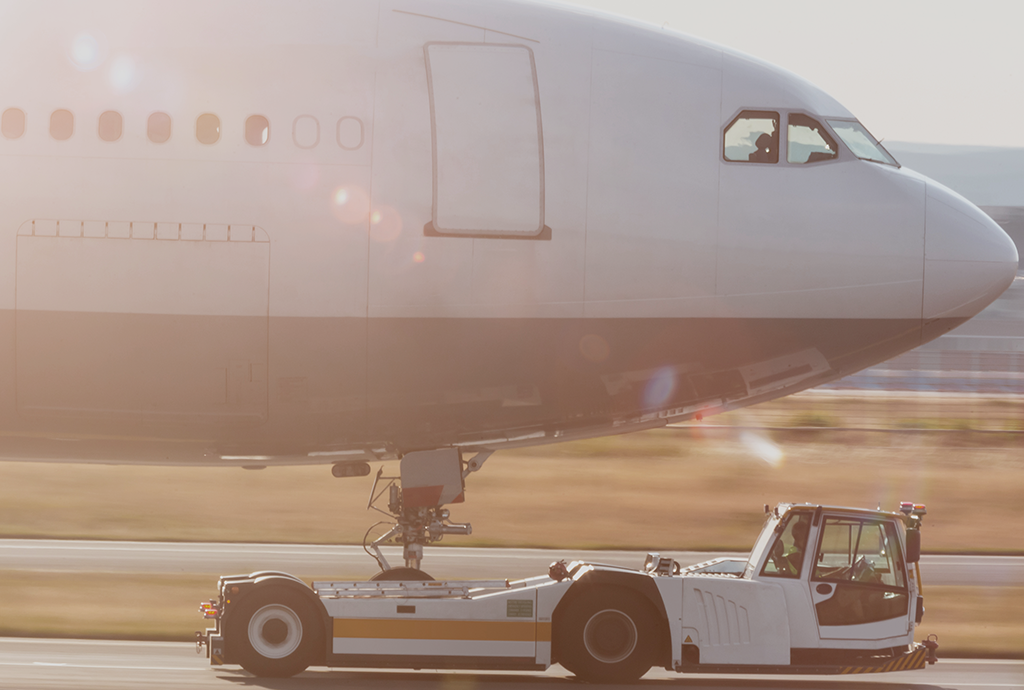
Sustainable Aircraft Towing: Where Do We Stand?
Typically, airliners have to run their jet engines in order to move along the runway. This however increases fuel consumption and thus carbon emissions. With this in mind, airports have been accelerating measures to reshape their aircraft towing process. One of the initiatives gaining track is the inclusion of new technologies such as semi-robotic vehicles. Read in our blog post what advanced technologies is the industry using to facilitate a more sustainable aircraft towing:

3 Ways AI Sets the Stage for a Sustainable Aviation Recovery
Despite the great challenges linked to the recovery of the industry, stakeholders remain firm in their quest for more sustainable aviation. With ambitious decarbonization goals set for the next years, there is a great emphasis on harnessing technology to improve operations and infrastructure usage. What opportunities can artificial intelligence bring to promote greener practices?
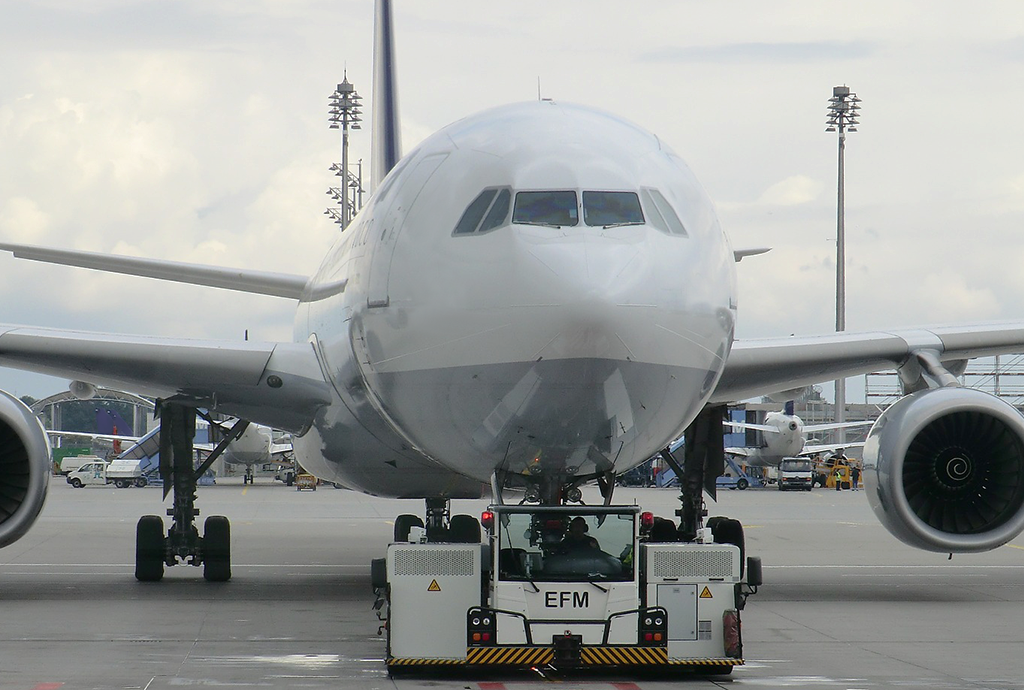
Aircraft Turnaround Revolution in the Era of Sanitized Travel
From enhanced cleaning routines to physical distancing measures, fulfilling COVID-19 safety requirements can extend the time for aircraft turnaround. As airlines add more flights to cover travel demands this summer, the surge of potential capacity bottlenecks puts ground handling operations under pressure. Read here how airlines can optimize the time jets spend on the ground between flights.

Aircraft Deicing 2.0: Mastering the Challenges of COVID-19
To ensure a safe take-off during the winter, operators place special attention on aircraft deicing. Since this process is time and cost consuming, it must be executed efficiently to avoid delays. Unlike previous years, the Coronavirus adds some complexity. Specifically, companies must comply with new safety regulations, while dealing with reduced capacity. How can these challenges be overcome?
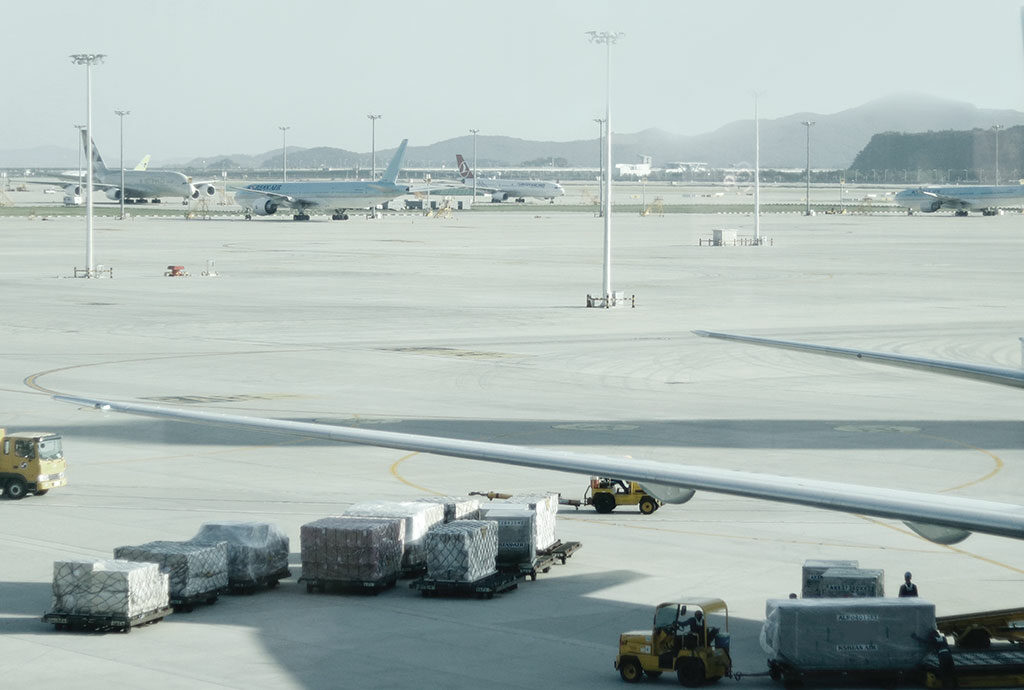
Agile Air Cargo Handling Processes Thanks to Artificial Intelligence
After months of great turbulence, the air cargo industry sees some positive trends. Airfreight demand continued its gradual recovery in October with volumes 3% higher than September. As the global trade peak season is right around the corner, airlines need to prepare for ramping up operations. Read here how AI can facilitate agile air cargo handling processes.

Planning For Enhanced Aircraft Cleaning in The New Normal
The cleanliness of an airplane has never been more important. In a recent IATA passenger survey, 79% of the respondents showed concern about catching COVID-19 on a flight. A thorough planning of aircraft cleaning measures is essential to reinstall confidence in air travel. Read here what managers can do to optimize the implementation of enhanced sanitizing.

How To Train Ground Staff During Challenging Times?
Measures to prevent the spread of COVID-19 are changing ground services. To adapt to the New Normal, airport personnel must deal with tasks they have not done before. The development of new competencies is critical. Due to social distancing, traditional classroom-based learning may no longer be feasible. How then can companies best train ground staff?

Managing COVID-19: Recommendations for Ground Handling (Vol. II)
On the front line – ground operators play a crucial role in supporting life-saving flights reach their destination. Just as it is important to ensure aircraft servicing on time, long-standing processes need to be reinvented to meet coronavirus conformity. Here, find out some recommendations for safety ground handling activities.

